
Roll Hardness Profilers for Paper, Board, Films and Foils Compared
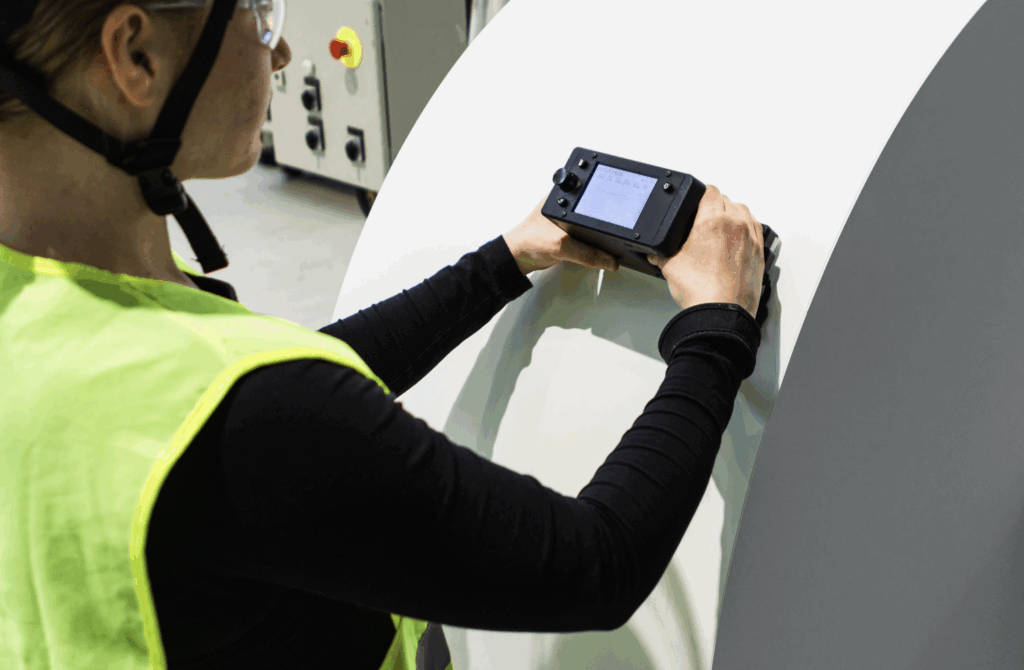
Roll Hardness Profilers for Paper, Board, Films and Foils Compared Quick summary Roll hardness measurement is one of the few practical, non-destructive ways to understand the internal structure of wound rolls. It is used not only for paper and board, but also for plastic films, flexible packaging films, technical films, laminates, foils and other roll-to-roll […]
Hidden variations in paper and board machines: when online scanners miss the real variation
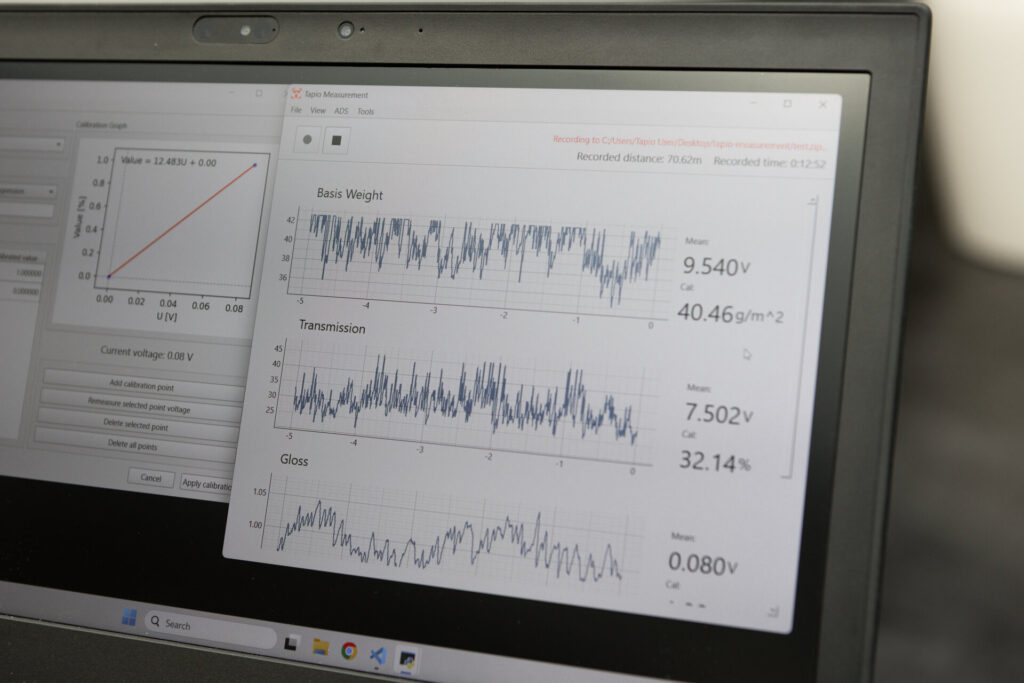
Hidden variations in paper and board machines: when online scanners miss the real variation Have you ever chased a persistent basis weight, moisture, or caliper variation, only to find that the online scanner does not clearly show the root cause? This is a common situation in paper and board mills. The scanner shows one profile, […]
Multiple Regression for Predicting Paper Basis Weight
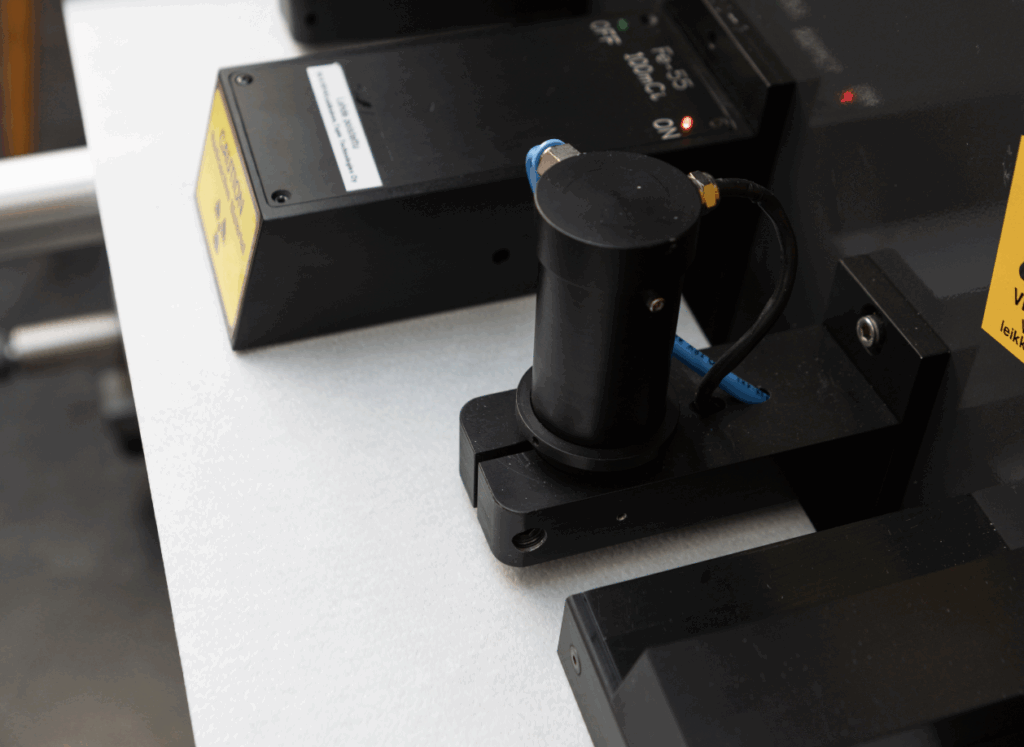
Basis Weight Prediction Using Optical Transmissivity and Caliper Data For decades, the paper industry has relied on beta-radiation gauges to measure basis weight, one of the most important quality parameters in paper, board and nonwoven products. In a recent bachelor’s thesis conducted by Nuutti Loikkanen at Tapio Measurement Technologies, we explored an approach for predicting […]
Hidden roll defects are costing you more than you think
Every mill knows the frustration of a “bad” roll — unscheduled downtime, customer complaints, wasted materials, and production delays. But what if you could detect roll defects before they cause expensive problems? The good news: you can. And it starts with understanding roll hardness profiles.
Using Hardness Variation (CV%) to Identify Defective Rolls
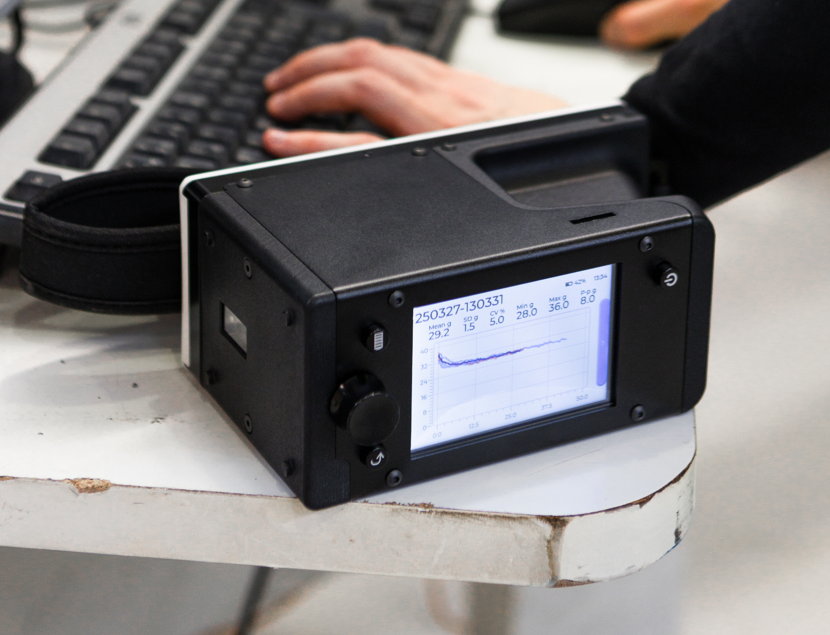
Using Hardness Variation (CV%) to Identify Defective Rolls “Papermaking would be easy, if only there were no edges!” Problem: Converter rejects were traced back to certain rolls, but the mill had no reliable way to identify them before shipment. Task: Find out a method to determine rolls that do not meet converter specs before roll […]
Continuous porosity profile measurement of paper, board and nonwovens
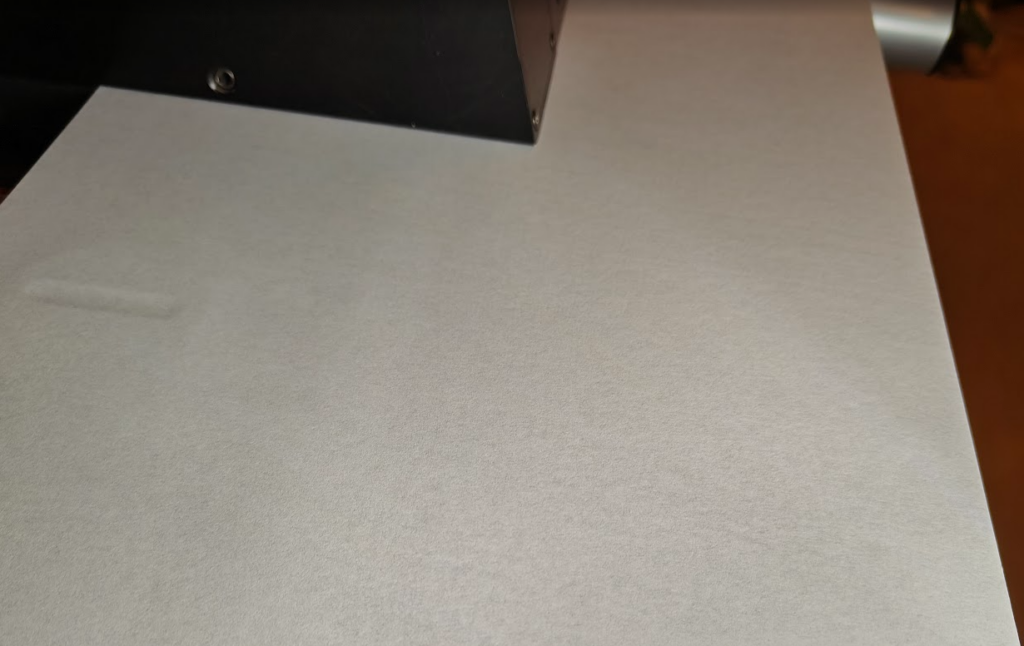
Continous Profile Porosity Sensors Porosity: an important quality parameter Porosity and air/gas permeability are important quality parameters for many paper, board and nonwoven products. Laboratory testers can be used to obtain porosity measurements from individual samples. In many cases it would be useful to know if the porosity varies as trends in the machine direction […]
Reducing plastic film roll rejections with roll hardness profiling
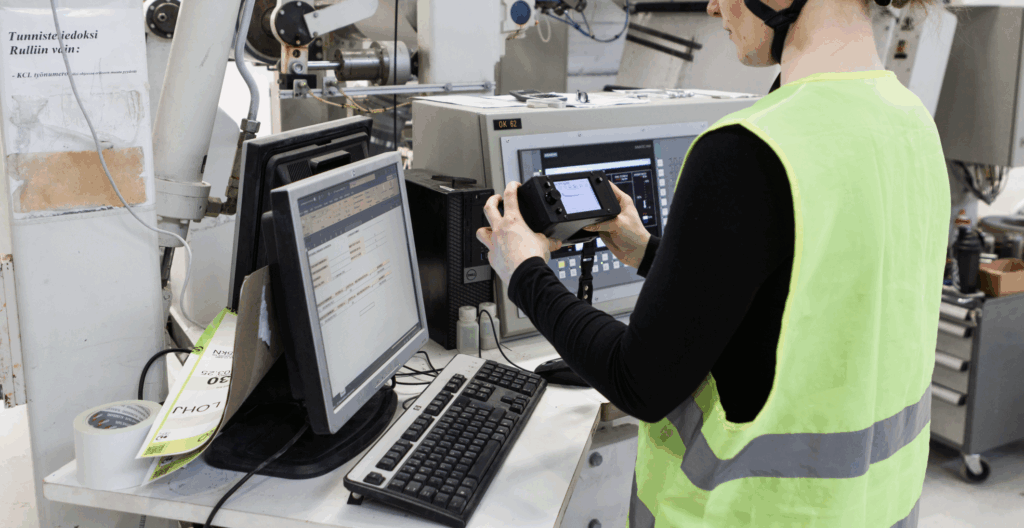
Reducing plastic film roll rejections with roll hardness profiling A plastic film producer was experiencing quality issues: around 25% of produced rolls were rejected by the customer in converting. Visual inspection and process data did not explain the problem, as the rolls looked normal at the production site. The producer started measuring roll hardness with […]
How Tapio Analysis Helps Solve Barring Problems
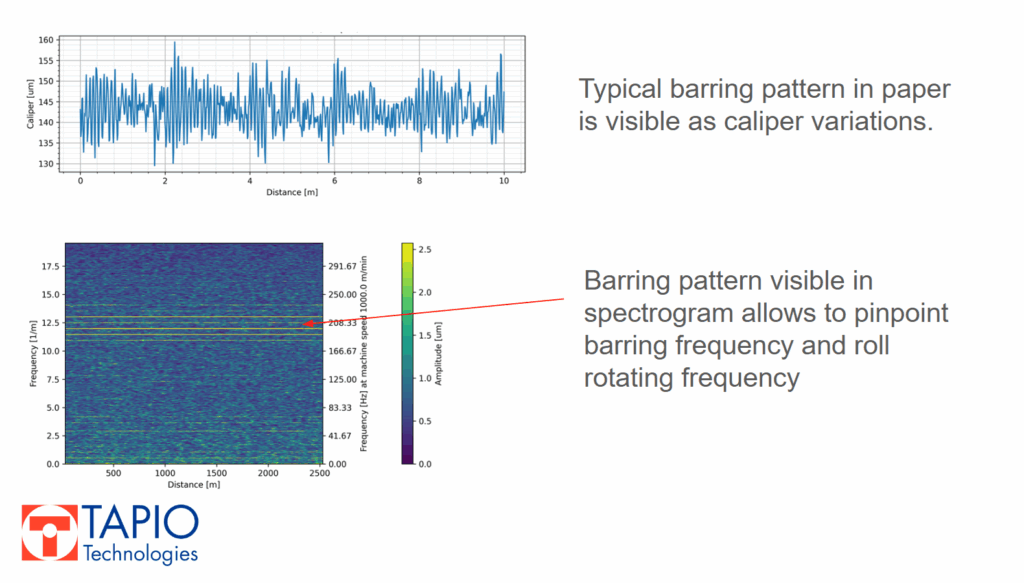
How Tapio Analysis Helps Solve Barring Problems In paper and board production, calender roll barring is a significant problem which can lead to unscheduled maintenance breaks and visible defects in the end product. Although the exact root cause of barring is not always immediately clear, it can originate from small thickness or basis-weight variations already […]
How Product Variations Can Cause Winder Vibration
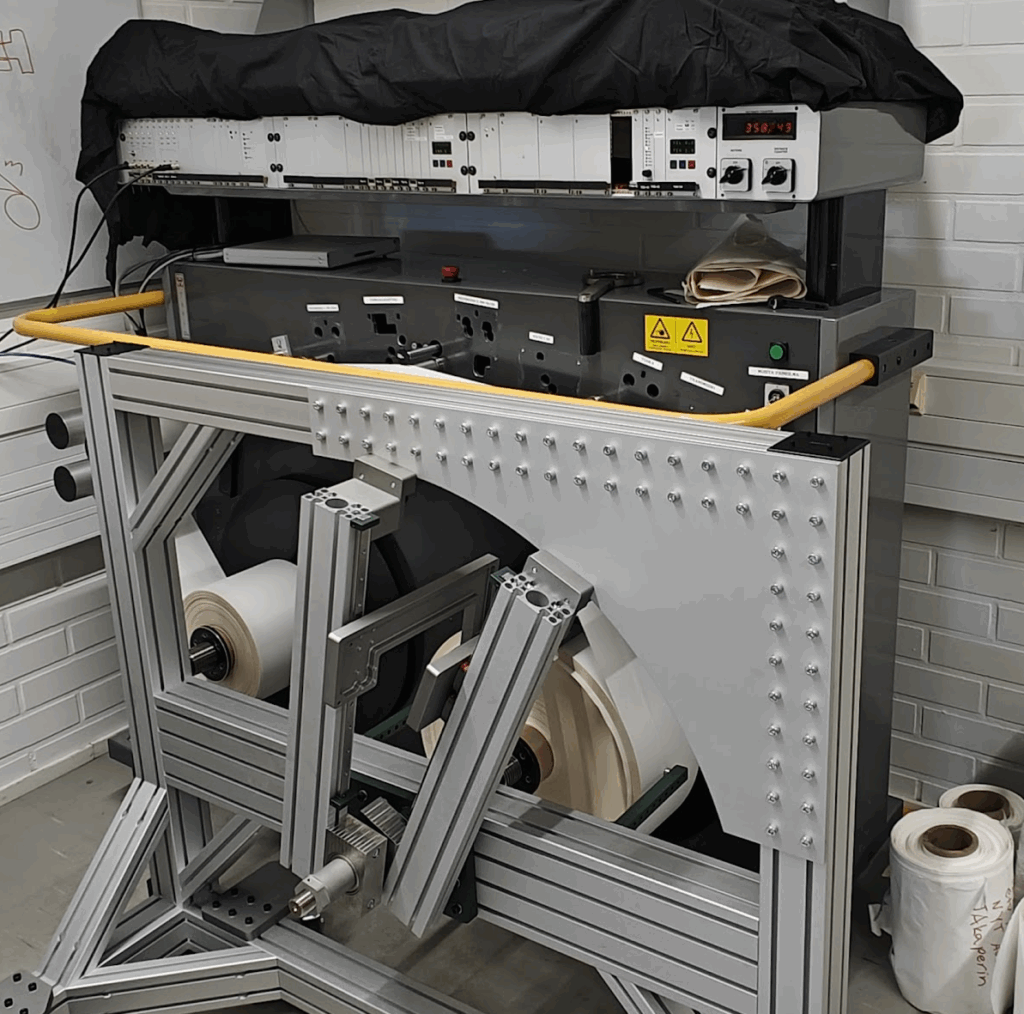
How Product Variations can Cause Winder Vibration A winder–cutter is not an easy system to optimize. Changing web tensions, roll diameters, masses and rotational frequencies all interact, and the behaviour of the machine changes continuously during the winding cycle. This makes it challenging to avoid resonances and unwanted vibration. During the past year, the Tapio […]
Roll Hardness Profiles – What Can the Statistics Tell Us?
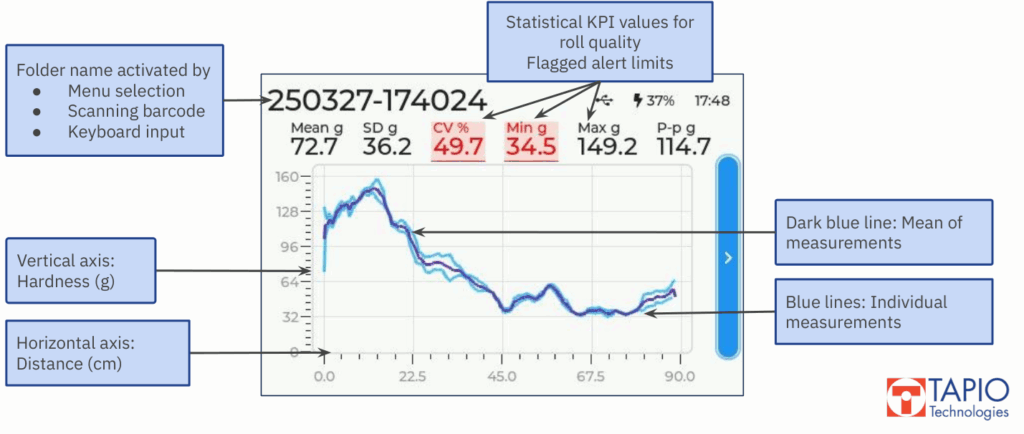
Roll Hardness Profiles – What Can the Statistics Tell Us? Quality of rolls is not about appearance – it depends both on the rolled material and on how the roll has been wound. The hardness profile provides valuable insight into roll condition and helps detect faults that are often invisible to the eye or missed […]