

Tapio Measurement Technologies · Espoo, Finland
Measurement technologies for paper, board and film.
Tapio instruments, software and laboratory services help mills, converters and laboratories measure product variation, compare samples and investigate quality problems.
Tapio products are used by major paper, board and film producers worldwide
- Paper
- Board
- Tissue
- Nonwovens
- Plastic film
- Battery separator films
- Metal foil
What we offer
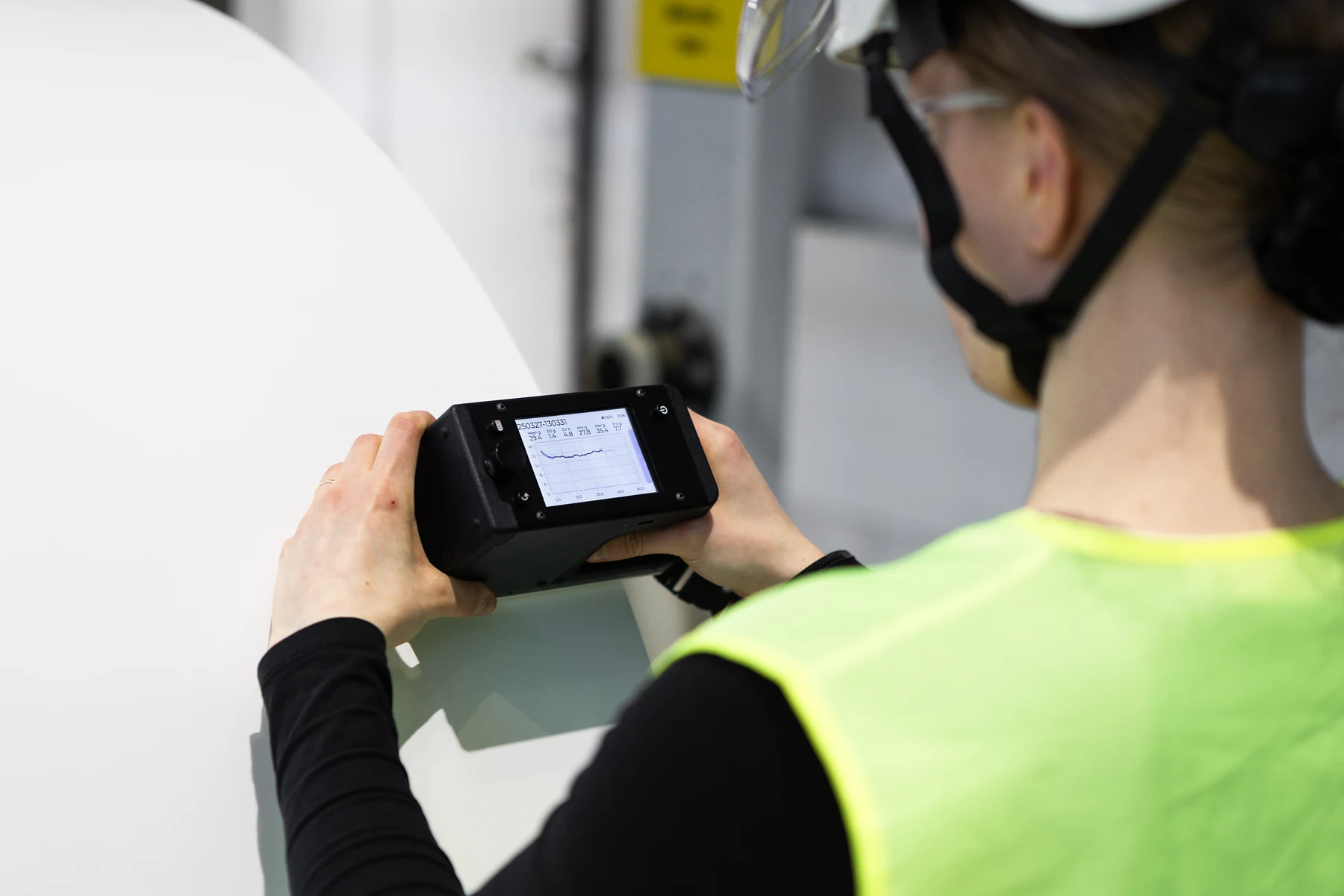
Handheld roll hardness profilers
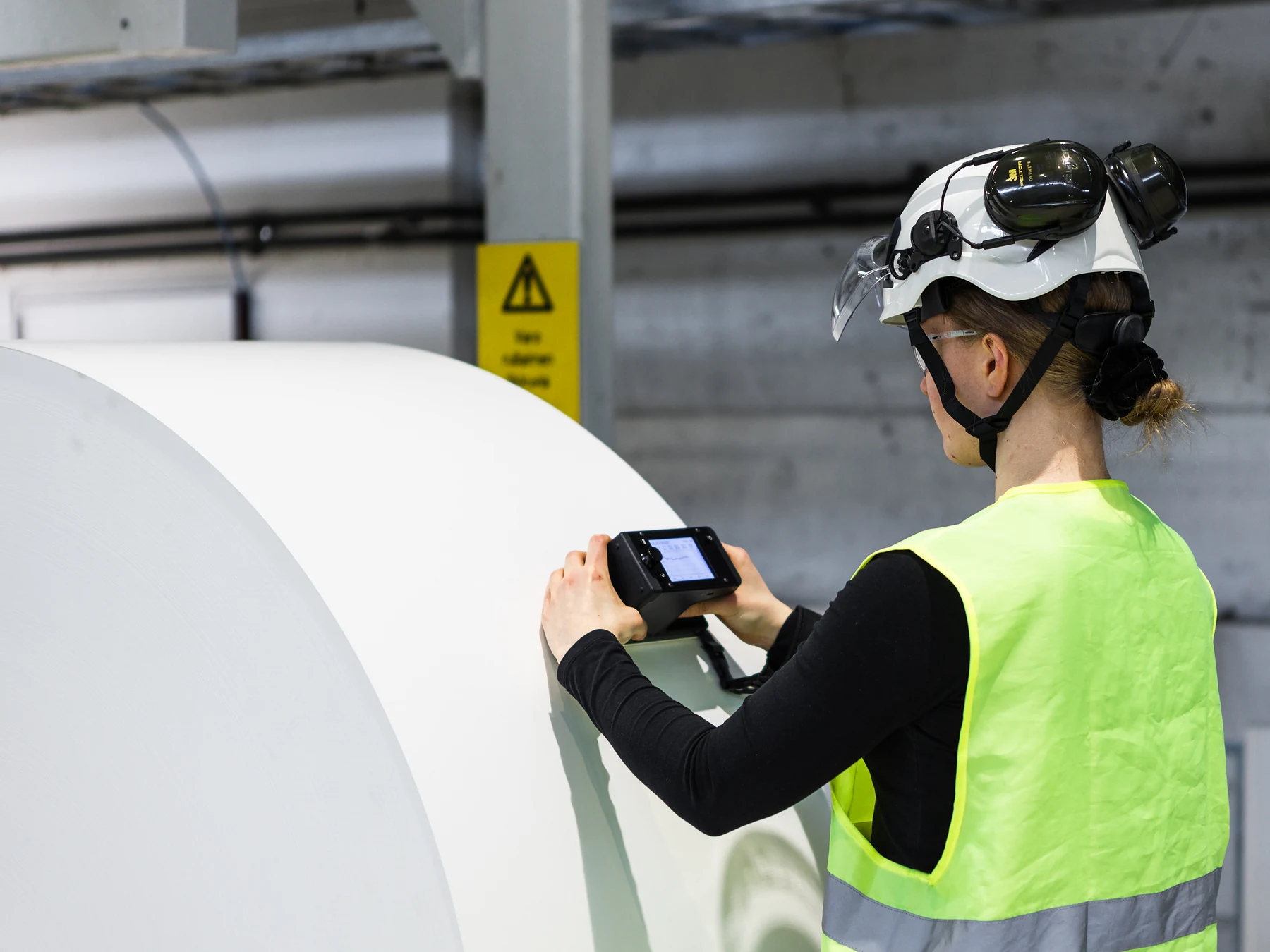
Push RQP Live across a roll and a high-resolution hardness profile appears on the display, with the statistics which can be checked against your own alert limits. Paper and board mills, film and foil producers and converters use it to check rolls before they ship and to track down winding problems.
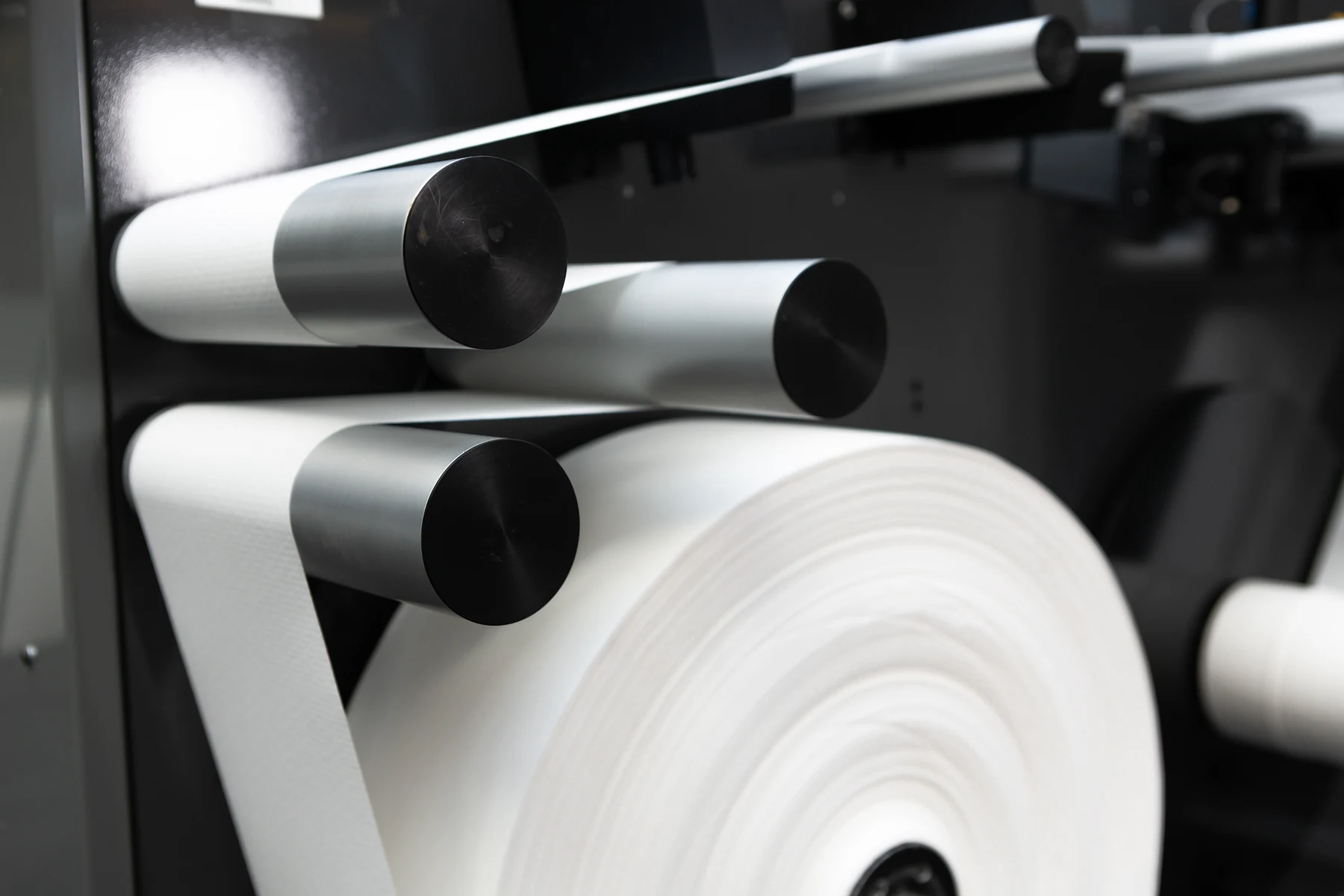
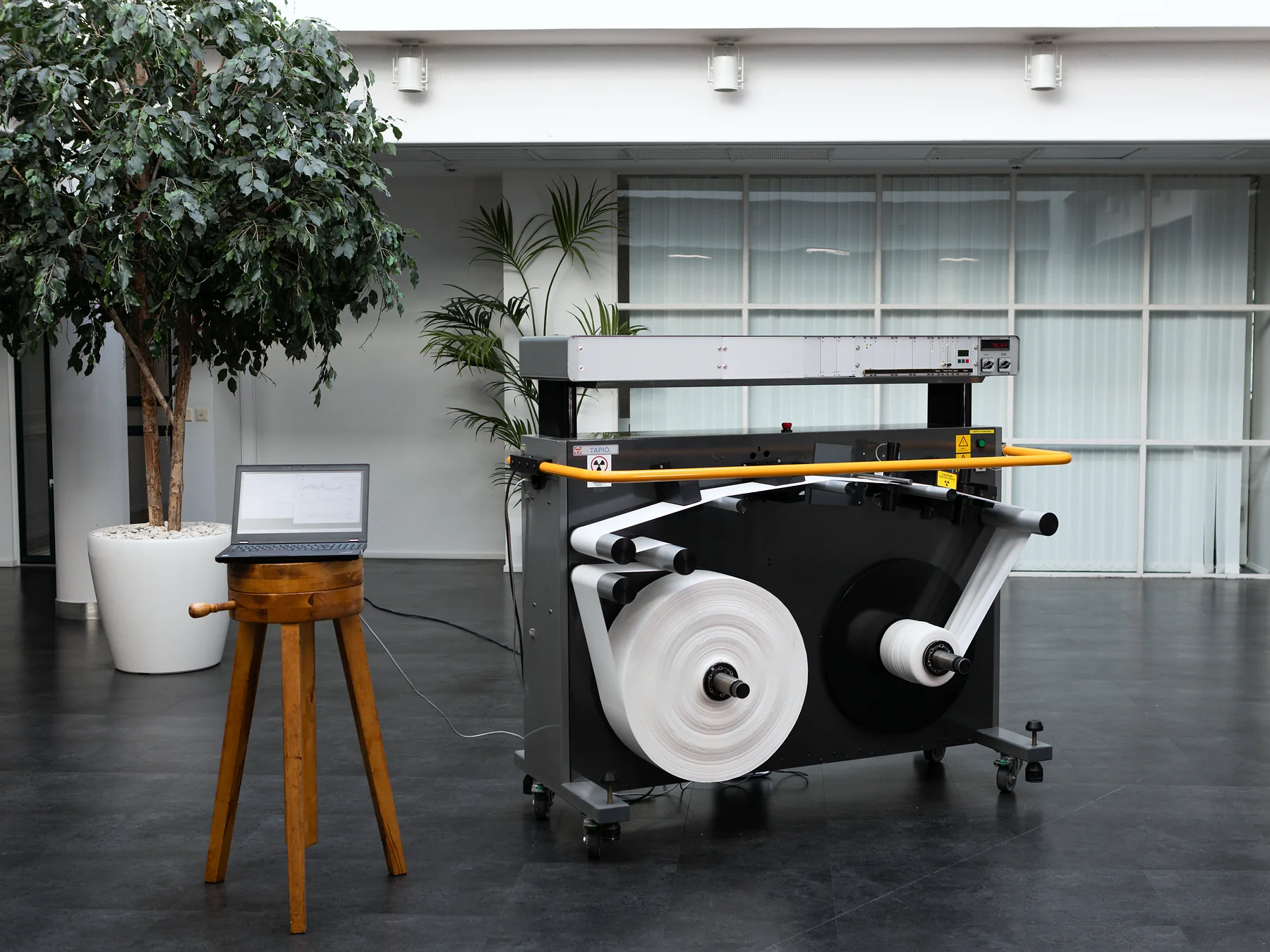
Laboratory analyzers and troubleshooting service
Tapio Analyzers measure basis weight, caliper, ash, gloss and transmission along a paper, board, tissue or nonwoven sample, with the readings aligned to the same positions on the sheet. Run one in your own laboratory, or send your samples to us for troubleshooting, diagnosis or a quality comparison.
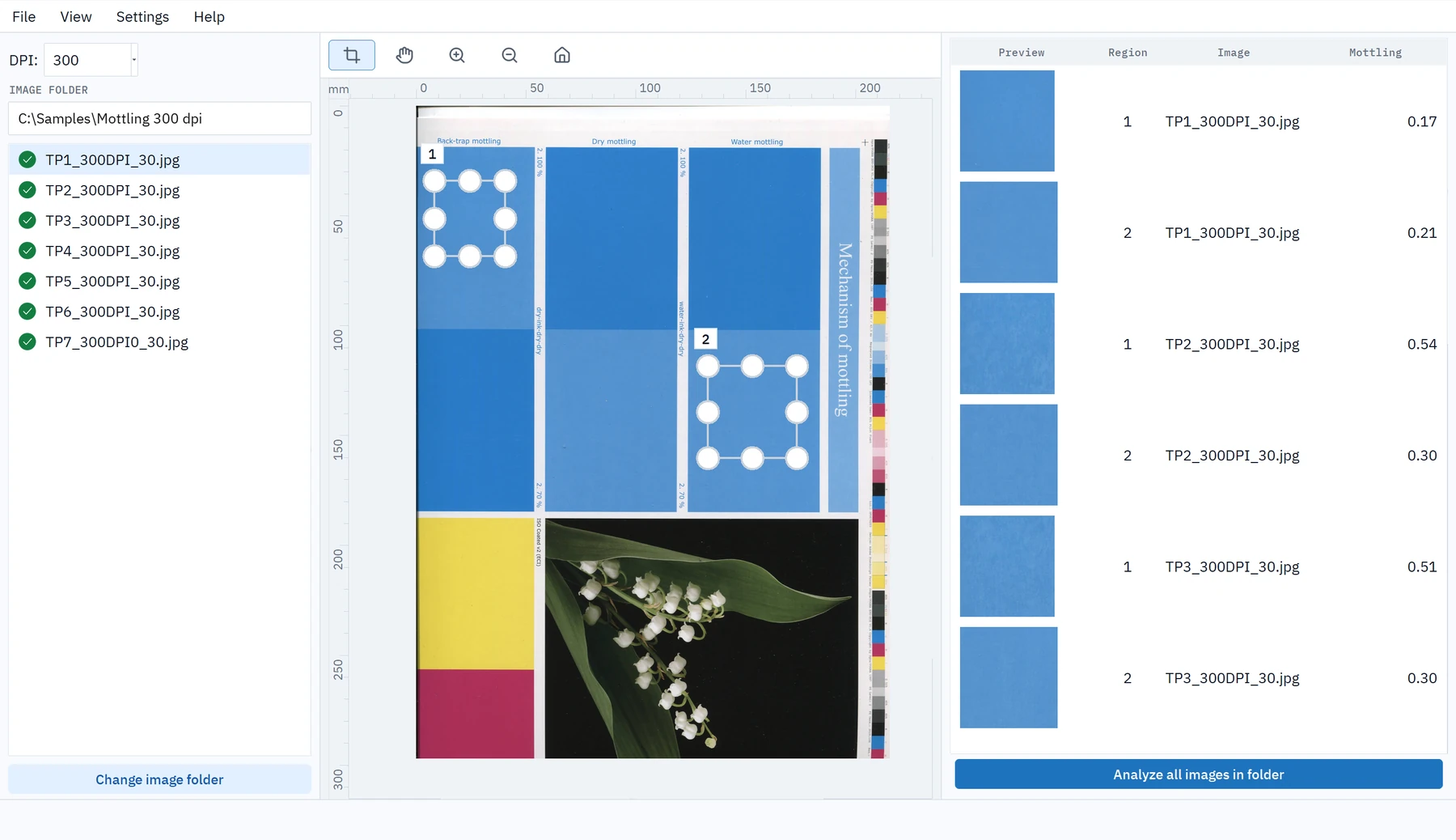
Analysis software for scanned samples
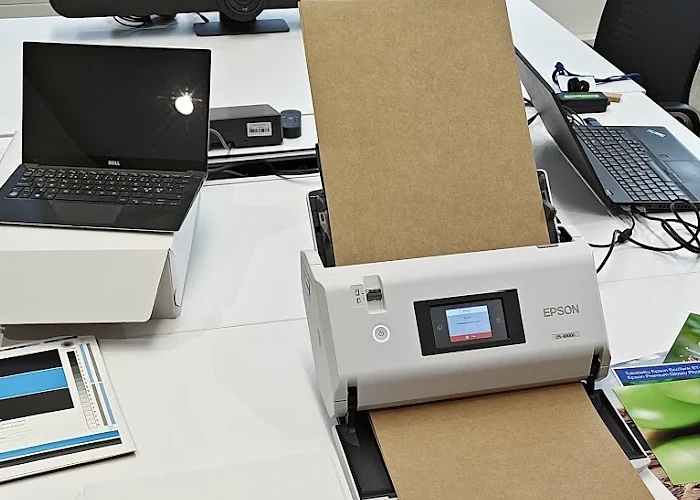
PapEye measures print uniformity, printed line quality and dirt in pulp, paper and board from scans made on a standard flatbed scanner. Each application runs on Windows or Linux and is sold as a permanent license for one PC.
Local sales and service partners in North America, South America, Europe and Asia. Contact a local Tapio partner
In practice
How customers use Tapio products
Three short examples, each from a published case or article.
RQP Live · paper mill
CV% picked out the rolls a converter had rejected
Mean hardness was practically the same in all eight rolls of one winder set. Hardness variation (CV%) was not: the two edge rolls stood out, and they matched the rolls the converter had rejected.
Read the CV% caseIf you want to understand the real CD profiles of paper and identify the source of variation, Tapio roll hardness measurements are extremely valuable. They reveal systematic process variations that are difficult or impossible to detect with online scanners.
Tapio Analysis · troubleshooting
Barring starts with its frequency
A periodic mark shows as a peak in the caliper spectrum. In this case we measured two samples, one uncalendered and one calendered, to see whether the barring frequency originates before the calender, at the wet end or in pressing, or in the calender itself.
How barring is investigatedTapio Analysis is our primary tool to measure and find sources of quality variations that other measuring systems cannot detect. The results show precise machine elements to be fixed or serviced and therefore reduce guessing during production. Tapio Analysis is our primary diagnostics support tool.
PapEye · print laboratory
Mottling measured from a stack of scans
PapEye applies the same analysis regions to every scan in a folder, so a trial or a supplier comparison becomes one table of numbers instead of a visual ranking.
How PapEye measures mottlingThe scanner–autofeed-software combination has worked extremely well in measuring mottling. It is definitely the smartest way to carry out measurements, since there’s no need to open the scanner and change the sample after every sheet, whether you’re dealing with single sheets or 20 sheets.
Articles
Case studies and examples
On roll quality, process troubleshooting and measurement.
Talk to us about your measurement problem
Send us a message or email info@tapiotechnologies.com. We normally reply within one working day.