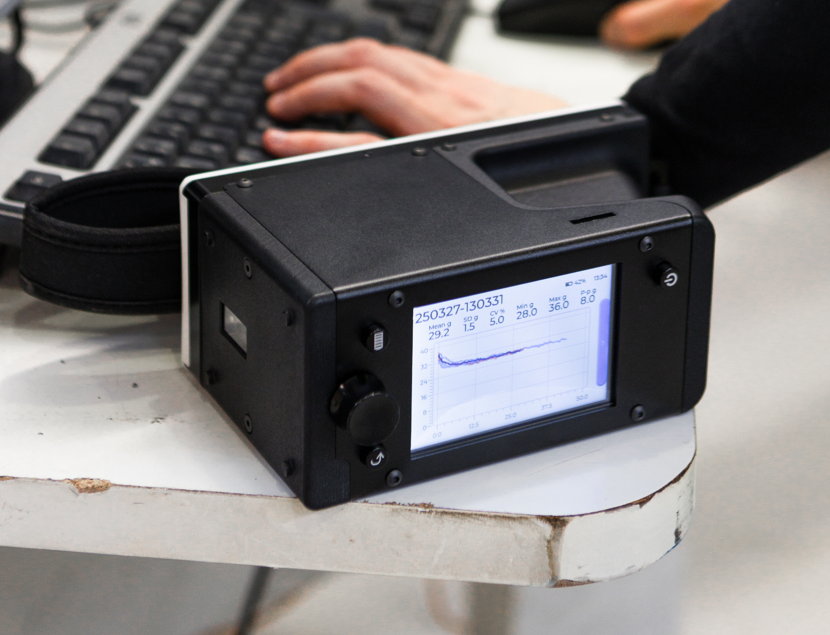
Using Hardness Variation (CV%) to Identify Defective Rolls
Using Hardness Variation (CV%) to Identify Defective Rolls “Papermaking would be easy, if only there were no edges!” Problem: Converter rejects were traced back to certain rolls,

Using Hardness Variation (CV%) to Identify Defective Rolls “Papermaking would be easy, if only there were no edges!” Problem: Converter rejects were traced back to certain rolls,
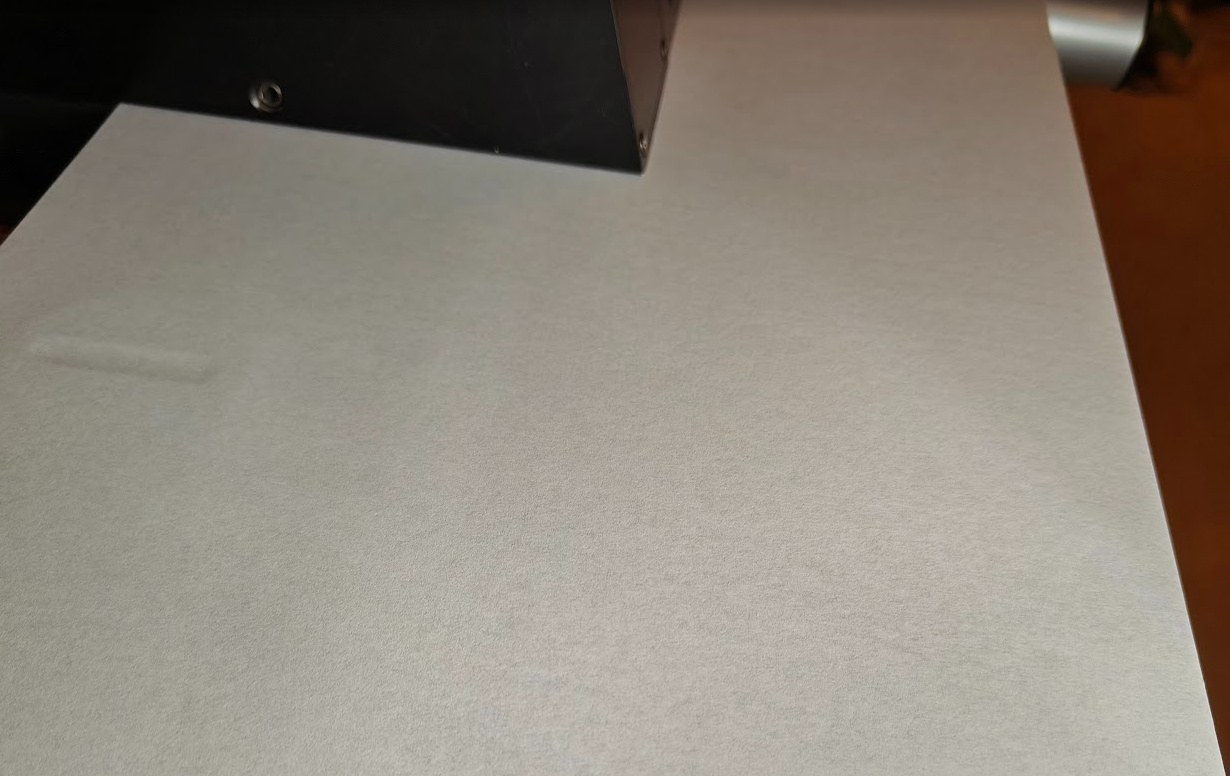
Continous Profile Porosity Sensors Porosity: an important quality parameter Porosity and air/gas permeability are important quality parameters for many paper, board and nonwoven products. Laboratory testers can
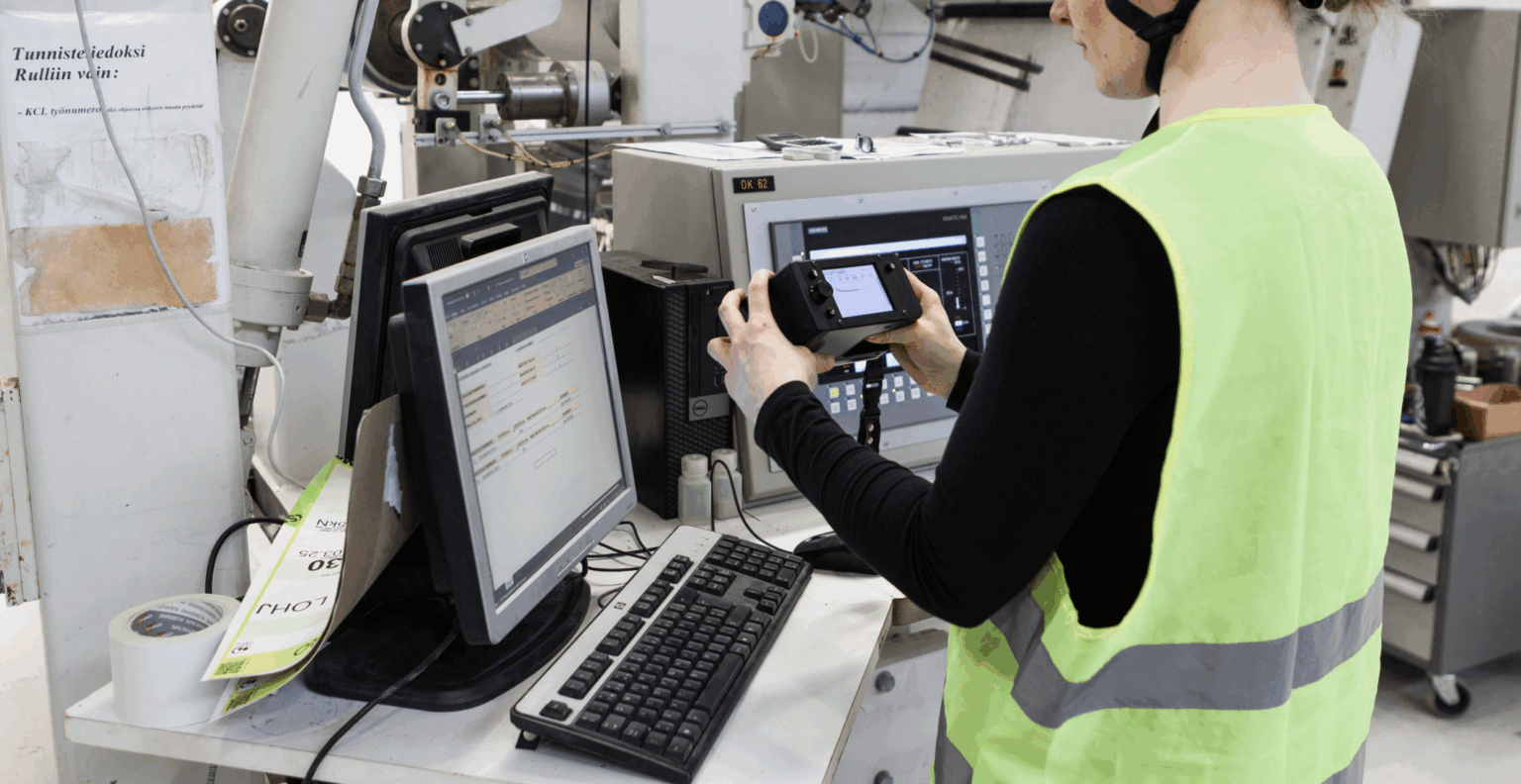
Reducing plastic film roll rejections with roll hardness profiling A plastic film producer was experiencing quality issues: around 25% of produced rolls were rejected by the customer
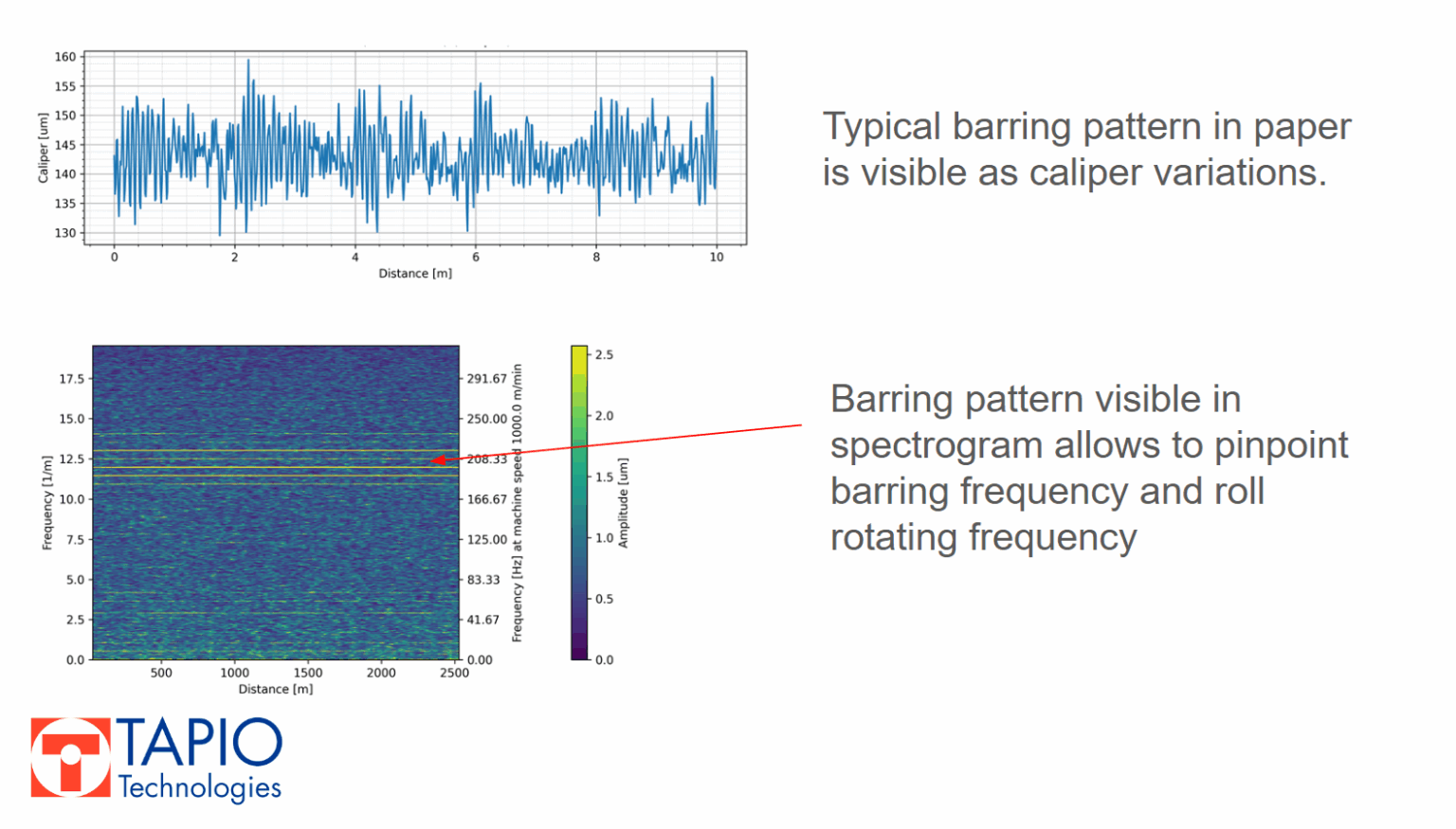
How Tapio Analysis Helps Solve Barring Problems In paper and board production, calender roll barring is a significant problem which can lead to unscheduled maintenance breaks and
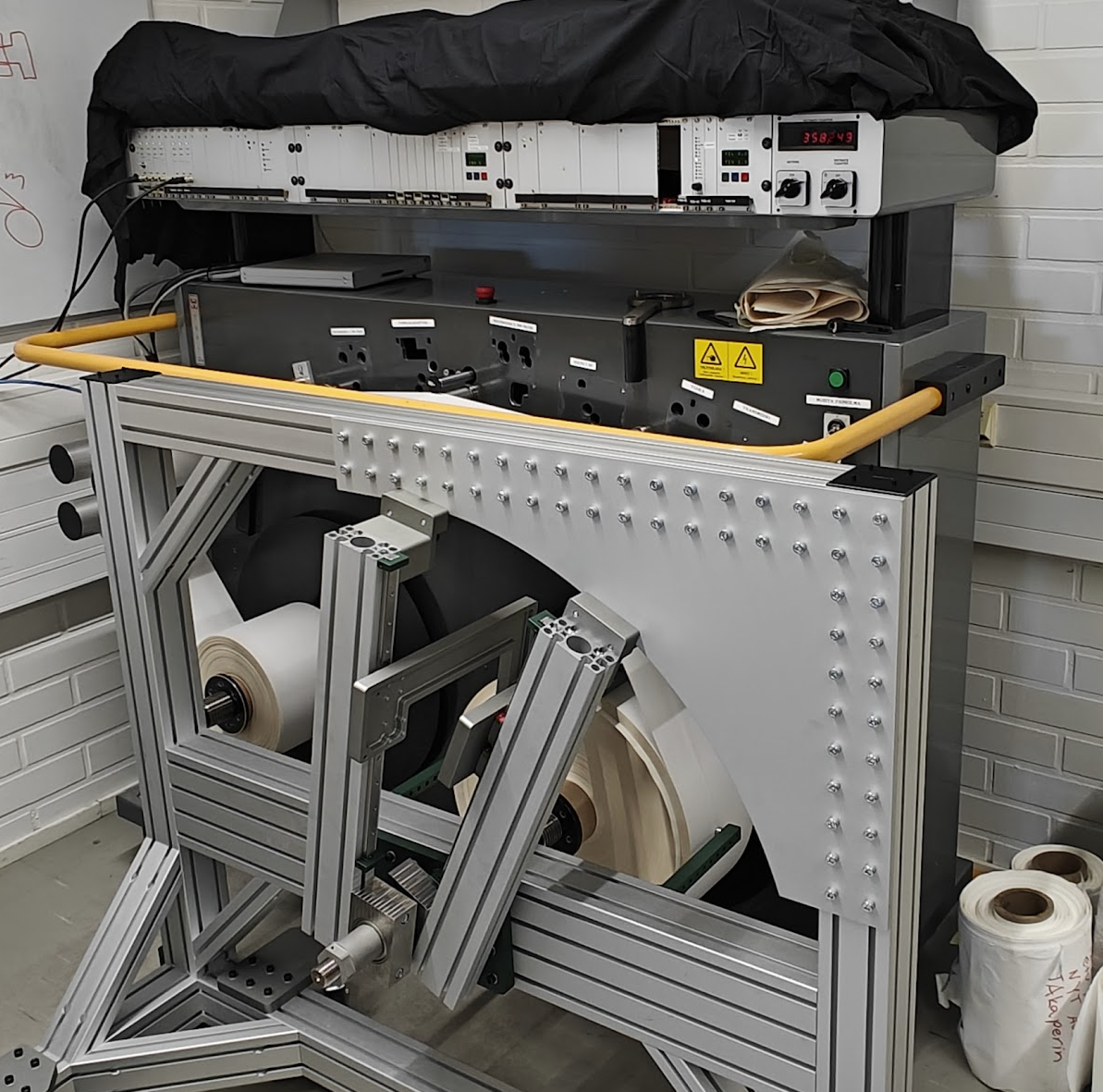
How Product Variations can Cause Winder Vibration A winder–cutter is not an easy system to optimize. Changing web tensions, roll diameters, masses and rotational frequencies all interact,
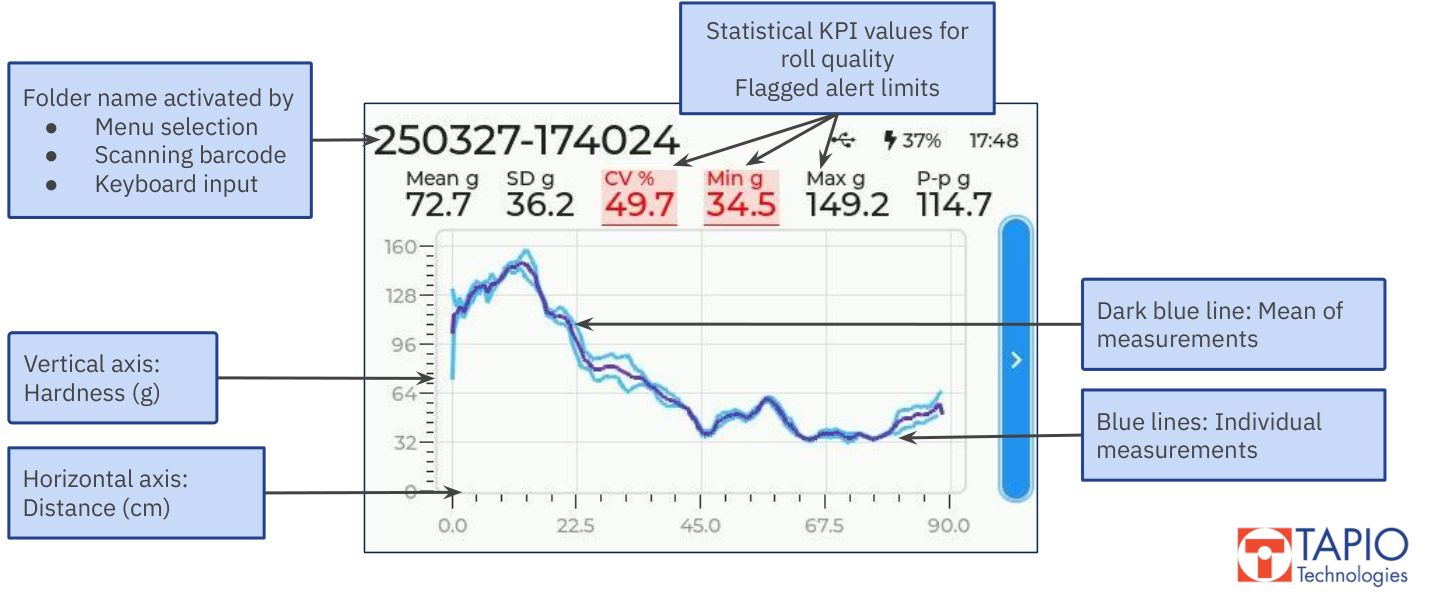
Roll Hardness Profiles – What Can the Statistics Tell Us? Quality of rolls is not about appearance – it depends both on the rolled material and on
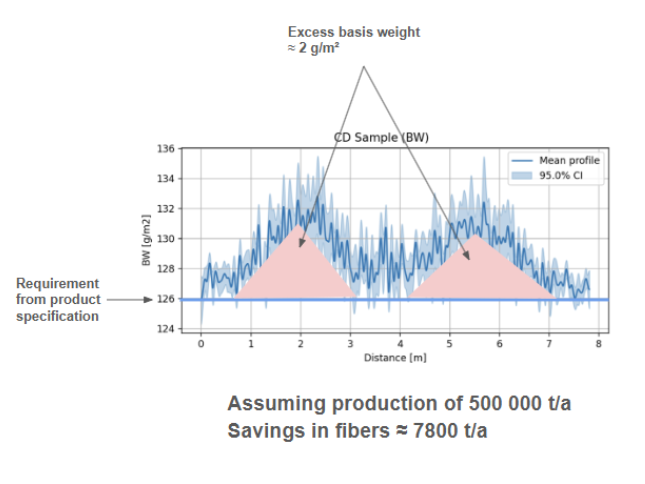
Optimizing paper and board machine CD profiles with Tapio Analysis In modern paper production, achieving an efficient and accurate cross-direction (CD) profile is critical for product quality

Locate problematic machine elements using Tapio MD Analysis In paper, board, and other continuous production processes where the product is formed by rolling or pressing, every rotation
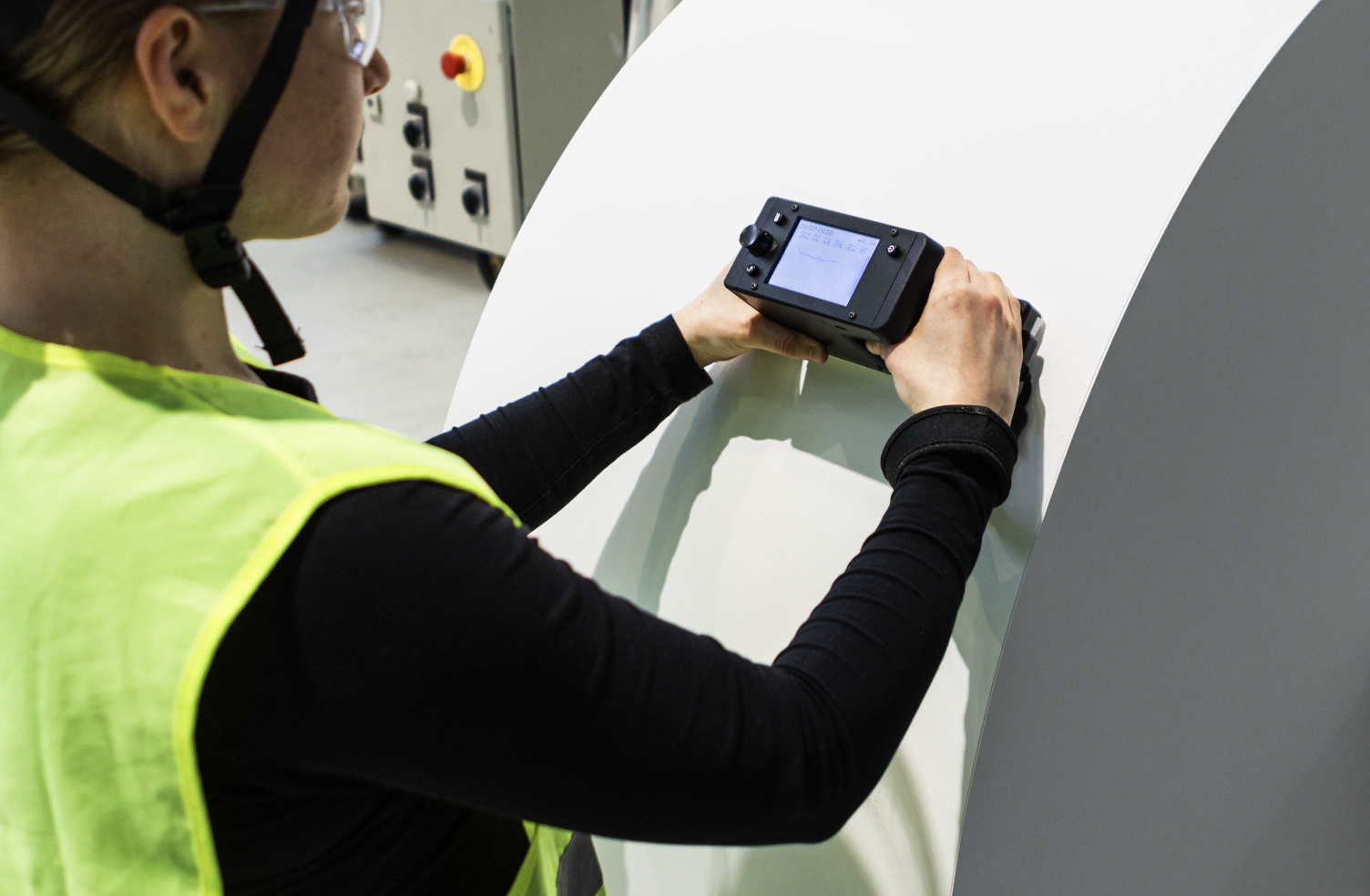
Hidden defects in rolls: a closer look with Tapio RQP Live A paper, board or plastic roll may appear perfectly fine on the outside. The surface layers

Every mill knows the frustration of a “bad” roll — unscheduled downtime, customer complaints, wasted materials, and production delays. But what if you could detect roll defects before they cause expensive problems? The good news: you can. And it starts with understanding roll hardness profiles.